


Public interest in BBC London Weather presenter Elizabeth Rizzini has grown significantly in recent years, particularly surrounding discussions of the Elizabeth Rizzini disability topic. As a respected figure in British broadcasting, Rizzini’s life continues to attract attention not only for her on-screen professionalism but also for the personal resilience she has shown through life’s challenges. In a media landscape full of speculation, audiences increasingly seek genuine, well-researched information about public figures.
Who Is Elizabeth Rizzini?
Elizabeth Rizzini is a well-known BBC weather presenter whose calm delivery, expert meteorological knowledge, and personable on-screen presence have made her a household name. Based in London, she appears on BBC London News, BBC Breakfast, and other regional bulletins. Before joining the BBC, Rizzini worked with the Met Office, which provided her with a scientific foundation that sets her apart from many presenters in the field.
Rizzini has also gained a reputation for being articulate, relatable, and grounded. She frequently engages with the public through social media, discussing topics ranging from local weather patterns to behind-the-scenes insights from the newsroom. Her career trajectory shows a blend of scientific expertise, media training, and an evident passion for meteorology. This combination has solidified her place as one of the trusted weather voices in British broadcasting.
Addressing the Question: Does Elizabeth Rizzini Have a Disability?
The fascination around Elizabeth Rizzini disability largely stems from online speculation rather than official statements. As of the latest verified information, there is no confirmed report that Elizabeth Rizzini has a disability. Much of the discussion originates from public curiosity about her personal life, especially following the death of her partner, high-profile amateur cyclist Chris Smith, in 2020.
It is important to distinguish between disability, grief, personal adversity, and career pressures. While Rizzini has spoken publicly about emotional challenges, she has not disclosed any physical or long-term disability. In the absence of credible confirmation, articles or social media posts suggesting otherwise risk promoting misinformation. Instead, it is more productive to recognise how online speculation often emerges when a public figure maintains privacy around personal matters.
Why the Speculation Exists
Several factors explain why rumours about disability or health conditions can follow public figures, including Rizzini:
1. Increased Visibility
Regular on-screen appearances naturally lead to scrutiny. Viewers may interpret changes in appearance, body language, or tone as indicators of hidden health issues.
2. Social Media Pressure
In today’s digital landscape, even minor clips or photos can spark viral discussions. Without context, audiences may make assumptions that spread rapidly.
3. Association with Personal Tragedy
After Rizzini faced the tragic loss of her partner, many people empathised deeply but also tried to interpret her behaviour through the lens of grief. This sometimes blurs boundaries between emotional health and physical disability.
4. Limited Public Information
When public figures keep aspects of their personal life private, some individuals feel compelled to “fill in the gaps,” often inaccurately.
Understanding these dynamics helps explain why the Elizabeth Rizzini disability discussion continues even without factual basis.
Rizzini’s Resilience Through Personal Loss

While disability speculation remains unfounded, Elizabeth Rizzini’s experience with grief has been real, profound, and publicly visible. Her partner, Chris Smith, passed away suddenly during a coastal race in 2020, a moment that changed her life deeply. Rizzini later spoke about navigating single parenthood, grief, and maintaining a demanding broadcasting schedule.
Her ability to continue presenting on BBC London throughout such adversity has been widely viewed as a testament to her strength. Many supporters admire the balance she has achieved between personal healing and professional responsibility. Although grief is not a disability, it does highlight how broadcasters—despite their poised on-screen appearance—face the same emotional challenges as the viewers they inform every day.
Representation and the Public Expectation of Broadcasters
Modern audiences place complex expectations on presenters. They must appear polished yet authentic, resilient yet open, poised yet relatable. The curiosity surrounding Elizabeth Rizzini disability also speaks to a broader cultural shift: society increasingly values discussions about health, mental well-being, and lived experiences.
However, it is equally important to respect boundaries. Public figures, particularly women in media, often face amplified scrutiny concerning their bodies, emotions, and personal lives. Rizzini’s choice to maintain discretion reflects a growing movement among broadcasters to reclaim privacy while still connecting meaningfully with their audience.
The Broader Context: Disability Visibility in UK Broadcasting
Even though Rizzini herself has not disclosed a disability, her story prompts an important conversation about disability representation in British media. In recent years, UK broadcasters have made notable progress in providing on-screen opportunities for individuals living with disabilities, chronic illnesses, and neurodivergent conditions.
Key developments include:
- More presenters with disabilities appearing on mainstream channels
- Increased accessibility initiatives across BBC Studios
- Growing audience appetite for genuine, diverse representation
- Enhanced training for journalists and presenters on inclusive storytelling
Public curiosity about Rizzini highlights this cultural shift: people care about representation and want to understand the realities behind the screens.
How Misinformation Spreads Online
Articles and social media posts labelled with keywords such as Elizabeth Rizzini disability often aim to drive clicks rather than present accurate information. Misleading headlines create a cycle where speculation becomes perceived truth.
Common causes of misinformation include:
- Clickbait SEO practices
- Misinterpretation of quotes
- Assumptions based on physical appearance
- Lack of media literacy
- Emotional reactions from audiences
Understanding these patterns empowers readers to approach online information more critically.
What Elizabeth Rizzini Has Actually Spoken About
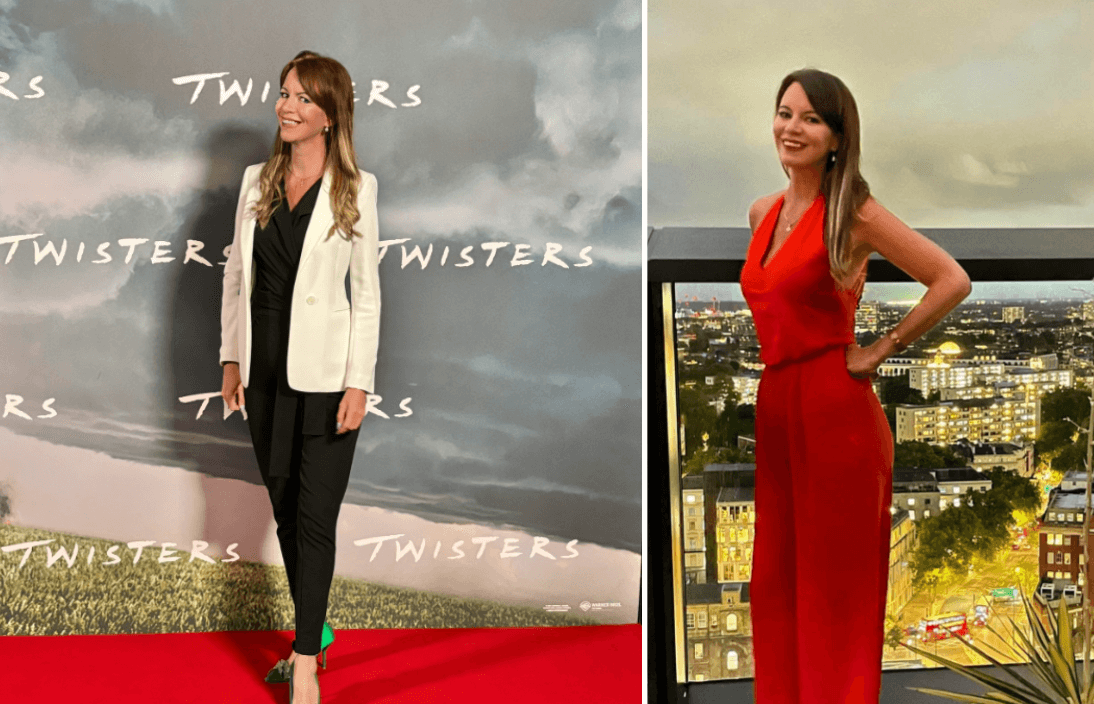
Though she maintains boundaries, Rizzini has openly discussed several personal themes:
- Grief and parental resilience after losing her partner
- Balancing motherhood with broadcasting
- Passion for weather science and communicating climate change
- Commitment to fitness, cycling, and outdoor activities
None of her public statements indicate the presence of a disability. Instead, they paint a picture of a woman navigating complex life experiences while continuing to thrive professionally.
Public Fascination With the Lives of TV Presenters
Interest in presenters’ private lives is not unique to Rizzini—it reflects a longstanding feature of British media culture. Weather presenters, in particular, often become familiar faces in viewers’ daily routines. Their personalities become part of household life, leading to heightened curiosity about anything that appears unusual or unexplained.
This phenomenon helps explain why the Elizabeth Rizzini disability topic appears frequently in search engines: it represents a blend of curiosity, empathy, and speculation.
FAQs
1. Does Elizabeth Rizzini have a disability?
No verified public information confirms that she has a disability. Most speculation arises from online rumours.
2. Why do people search for “Elizabeth Rizzini disability”?
Search interest is driven by curiosity, misinformation, and the public’s desire for personal details about well-known broadcasters.
3. Has Elizabeth Rizzini spoken about any health issues?
She has not publicly disclosed any disability. She has, however, spoken openly about grief and emotional resilience.
4. What is Elizabeth Rizzini known for?
Her work as a BBC weather presenter, her scientific background, and her professionalism on screen.
5. Is speculation about disability harmful?
Yes. It can spread misinformation, invade privacy, and contribute to stigma surrounding both disability and mental health.
Conclusion
Although the phrase Elizabeth Rizzini disability continues to trend online, the evidence clearly shows that there is no confirmed disability associated with the BBC presenter. Instead, her story is one of professionalism, personal resilience, and thoughtful boundary-setting in the public eye. As audiences, acknowledging the difference between curiosity and intrusion helps create a healthier, more respectful media culture. If you found this article helpful, feel free to share your thoughts or explore related topics—your engagement helps foster more informed, responsible conversations online.
