


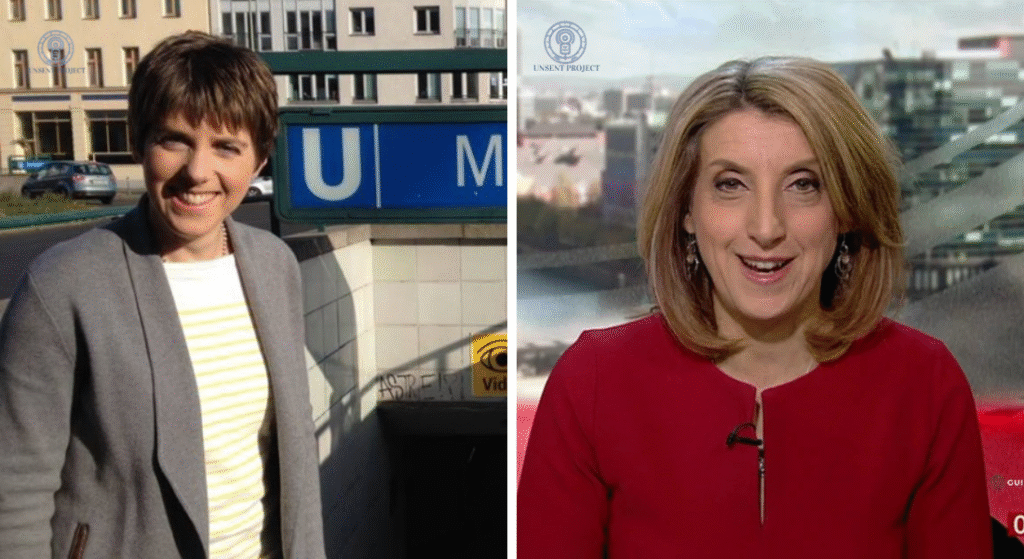
In the landscape of modern journalism, few names stand out with the consistency, credibility, and public trust earned by Eleanor and Judith Moritz. While each has carved her own professional path, both women represent a commitment to thoughtful storytelling, social awareness, and community-centered reporting. Their work, individually and collectively, illustrates the evolving role of journalists in a digital era where news cycles move rapidly, information flows instantly, and audiences expect authenticity above all.
This comprehensive SEO-friendly article explores who Eleanor and Judith Moritz are, their professional contributions, their impact on journalism, and how their work continues to shape conversations across the United Kingdom and beyond.
Who Are Eleanor and Judith Moritz?
Judith Moritz
Judith Moritz is widely recognized as a seasoned journalist and correspondent, known for her measured reporting style and sensitivity toward complex issues. She has covered some of the most significant news stories of the last two decades, often traveling across regions to report on high-impact events. Her ability to translate intricate developments into understandable, human-centered narratives has made her a respected figure in British journalism.
Judith’s coverage frequently focuses on justice, social issues, community tragedies, and national concerns. She is distinguished by her deep empathy, her precision in reporting, and her commitment to amplifying the voices of everyday people who are most affected by headline-making events.
Eleanor Moritz
Eleanor Moritz is also a prominent journalist with an extensive track record of local and regional reporting. Known for her approachable style, Eleanor often covers human-interest stories, political developments, and community efforts that highlight the fabric of local society. Her journalism blends clarity with relatability, helping audiences understand how national issues trickle down to everyday life.
Eleanor’s work stands out for its nuance and context. Unlike journalists who focus solely on breaking stories, she has built a reputation for covering ongoing narratives stories of resilience, change, and community identity.
Their Shared Values in Journalism
Although Eleanor and Judith Moritz are independent journalists, their work intersects in several meaningful ways. They are both committed to:
1. Accuracy and Responsibility
In an era where misinformation spreads easily, both journalists demonstrate a rigorous dedication to factual accuracy. Their reporting is grounded in verified information, balanced perspectives, and responsible editorial judgment.
2. Human-Centered Storytelling
Both Eleanor and Judith have the ability to bring human faces into news stories. Rather than simply reporting headlines, they dive deeper showing how policy decisions, social changes, and major events affect real lives.
3. Ethical Reporting Standards
They uphold professional ethics, respecting privacy, cultural sensitivity, and the emotional weight of the events they cover. This has earned them significant public trust.
4. Clear Communication
One of the strongest features of their work is clarity. Whether covering a community initiative, a court case, or a national crisis, their language is accessible without compromising detail.
5. Connection to Community
Both journalists emphasize connection to the people and places they report on, bridging the gap between media institutions and local identities.
Eleanor and Judith Moritz’s Impact on Modern Journalism
Redefining Regional Reporting
Eleanor Moritz, in particular, has played a major role in illuminating the value of regional journalism. Her work demonstrates that local news is not simply a supplement to national reporting it is essential for ensuring that communities feel seen, heard, and informed.
Through thoughtful interviews, investigative pieces, and local storytelling, Eleanor helps preserve regional identity while connecting local audiences to a wider national narrative.
Covering High-Stakes National Stories
Judith Moritz is often seen at the center of major national reports. Her coverage of sensitive, often emotionally charged events has shaped public understanding of complicated and tragic stories.
Her tone measured, empathetic, and fact-driven has become a model for journalists covering difficult subjects without sensationalism.
Women in Journalism: Trailblazing Through Barriers
The success of Eleanor and Judith Moritz stands as a reminder of the important role women play in shaping modern media landscapes. Their achievements encourage representation, visibility, and leadership for women pursuing careers in broadcast, investigative, and editorial journalism.
They serve as role models for upcoming reporters who seek to combine professionalism with compassion.
Their Approach to Digital-Era Storytelling
The rise of social media, online platforms, and 24-hour news access has transformed journalism. Eleanor and Judith Moritz have adapted to this shift seamlessly. Their approach incorporates:
Engagement Across Platforms
Both journalists understand the importance of meeting audiences where they are. Whether on-air, online, or via digital updates, they ensure that their reporting is accessible across multiple spaces.
Factual Content in Fast-Paced News Cycles
Instead of rushing to publish, Eleanor and Judith maintain their priority on accuracy. This approach fosters trust and demonstrates that responsible journalism remains essential even when news breaks rapidly.
Visual and On-Scene Reporting
Their presence on the ground during major events brings authenticity and depth to their coverage. Viewers feel connected to stories as they unfold, guided by clear and reliable voices.
Notable Strengths That Define Their Work
1. Empathy in Reporting
One of the most distinguishing traits shared by both women is their empathy. They speak to people with respect, giving a platform to stories that matter.
2. Balanced Perspectives
Their reporting incorporates viewpoints from multiple sides. This balance strengthens credibility and ensures fairness in their work.
3. Storytelling Craft
Judith and Eleanor excel at transforming complex information into clear, engaging narratives that inform, educate, and resonate emotionally.
4. Public Trust
Audiences consistently respond with confidence to their work. In a time when trust in media can fluctuate, journalists like the Moritz reporters play a crucial role in maintaining integrity.
Why Eleanor and Judith Moritz Matter Today
Modern journalism faces many challenges: information overload, rising misinformation, political polarization, and public fatigue. Eleanor and Judith Moritz bring stability and clarity to this landscape through:
- Trustworthy reporting
- Community-focused stories
- Balanced coverage
- Professional ethics
- Clear communication
Their work ensures that journalism continues to serve the public good, promoting understanding, connection, and awareness.
The Future of Journalism and Their Ongoing Influence
The careers of Eleanor and Judith Moritz continue to evolve. As digital platforms expand and audience expectations change, their styles of journalism remain highly relevant. Their dedication to truth and humanity positions them as anchors in a rapidly changing media world.
Emerging journalists often reference professionals like them when discussing mentorship and inspiration. Their careers highlight how storytelling can create social impact, strengthen communities, and build bridges across differences.
Conclusion
Eleanor and Judith Moritz represent two shining examples of dedicated, ethical, and impactful journalism. Their voices, though distinct, share a common mission: to deliver news that is accurate, responsible, and deeply connected to the people it serves.
Their work is a reminder that journalism remains a cornerstone of democracy and community understanding. Whether reporting on quiet local stories or major national events, Eleanor and Judith Moritz continue to influence how audiences think, feel, and respond to the world around them.
